Paid advertising, also known as pay-per-click (PPC) advertising, is a form of online advertising where advertisers pay a fee each time their ad is clicked. Paid advertising can be an effective way to increase brand awareness, generate leads, and drive sales. In this blog post, we’ll take a closer look at paid advertising, its benefits, and how it works.
Benefits of Paid Advertising
Targeted Advertising
One of the most significant benefits of paid advertising is the ability to target specific audiences. With paid advertising, advertisers can target audiences based on demographics, location, interests, and behavior. This level of targeting ensures that the ad is seen by the right people, which can increase the chances of conversion.
Quick Results
Paid advertising can provide quick results. As soon as an ad is approved and launched, it can start generating traffic and leads. Unlike organic search results, which can take time to show up in search engines, paid ads are displayed at the top of search results, ensuring maximum visibility and exposure.
Measurable Results
Paid advertising provides measurable results. Advertisers can track the number of clicks, impressions, and conversions generated by their ads. This data can help advertisers optimise their campaigns for maximum ROI.
Cost-Effective
Paid advertising can be cost-effective. Advertisers can set a budget for their ads, and they only pay when someone clicks on their ad. This ensures that advertisers get a return on their investment and only pay for results.
How Paid Advertising Works
Paid advertising works on an auction-based system. Advertisers bid on keywords that are relevant to their business. When a user searches for a particular keyword, the ad auction begins, and the ads with the highest bid and quality score are displayed at the top of search results.
Quality score is a metric used by search engines to determine the relevance and quality of an ad. It takes into account factors such as the ad’s relevance to the keyword, the landing page experience, and the ad’s click-through rate. Advertisers with a higher quality score can get a higher ad position even if they bid less than their competitors.
Types of Paid Advertising
Search Ads
Search ads are the most common type of paid advertising. They are displayed at the top of search results when a user searches for a particular keyword. Search ads can be highly targeted and can generate quick results.
Display Ads
Display ads are banner ads that are displayed on websites that are part of the Google Display Network. The Google Display Network is a network of millions of websites that have partnered with Google to display ads. Display ads can be highly visual and can be used to increase brand awareness.
Video Ads
Video ads are ads that are displayed before or during a video. They can be highly engaging and can increase brand awareness. Video ads can be displayed on platforms such as YouTube and can be highly targeted based on demographics and interests.
Shopping Ads
Shopping ads are ads that are displayed at the top of search results when a user searches for a particular product. They display an image of the product, the price, and the name of the retailer. Shopping ads can be highly effective for e-commerce businesses.
Tips for a Successful Paid Advertising Campaign
Define your target audience: Before launching your campaign, define your target audience based on demographics, interests, behavior, and other relevant factors. This will help you create ad copy and visuals that appeal to your intended audience.
Set clear objectives: Set clear objectives for your campaign, whether it’s to increase website traffic, generate leads, or boost sales. This will help you measure the success of your campaign and optimise it for better results.
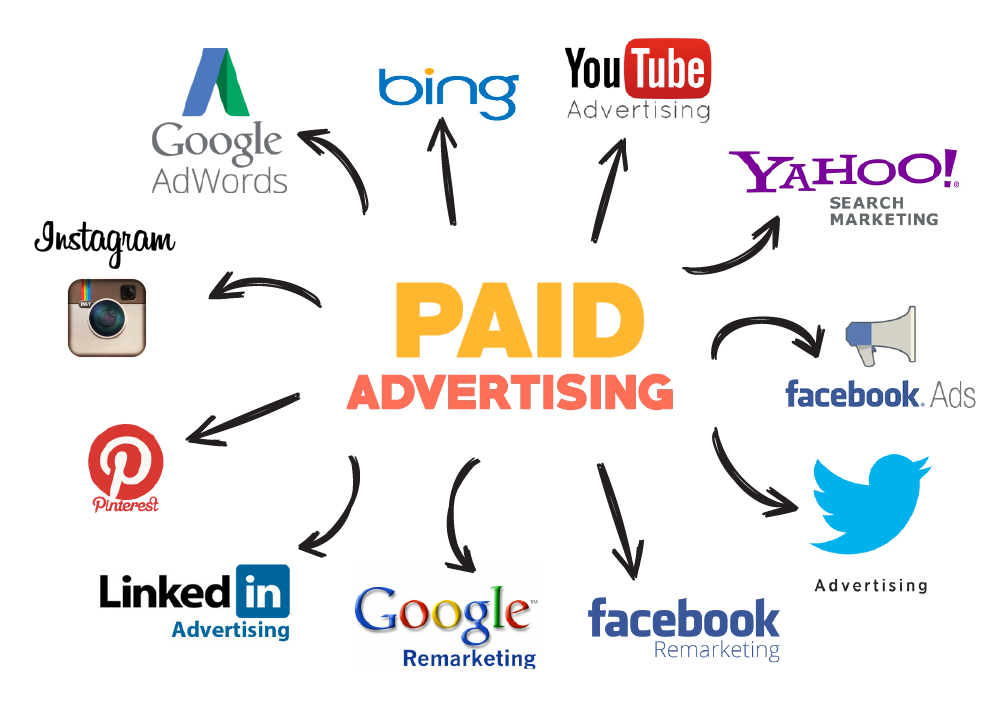
Choose the right platform: There are many different advertising platforms, such as Google Ads, Facebook Ads, and Instagram Ads. Choose the platform that is most likely to reach your target audience.
Use compelling ad copy and visuals: Your ad copy and visuals should be attention-grabbing, informative, and relevant to your target audience. Use clear, concise language and eye-catching visuals to attract attention and communicate your message effectively.
Optimise your landing pages: Ensure that the landing pages your ads lead to are relevant to your ad copy and visuals and are optimised for conversions. Make it easy for users to take the desired action, whether that’s filling out a form or making a purchase.
Monitor and adjust your campaign: Monitor the performance of your campaign regularly and make adjustments as necessary. This may involve changing your ad copy and visuals, adjusting your targeting, or changing your bidding strategy.
Measure your results: Measure the results of your campaign using key performance indicators (KPIs) such as click-through rates, conversion rates, and return on investment (ROI). Use this data to optimise your campaign and improve your results over time.
Paid Advertising: Why You Need to Hire a Google Ads Consultant
Paid advertising can be an effective way to drive traffic, generate leads, and increase sales for your business. However, running a successful paid advertising campaign requires a deep understanding of the advertising platform and the ability to analyse and optimise your campaigns continuously. That’s where a Google Ads consultant can help. A Google Ads consultant has expertise in creating, managing and optimising Google Ads campaigns. They can help you identify the best keywords, craft engaging ad copy, optimise your bids, and monitor your campaign’s performance. With their help, you can maximise your paid advertising investment and achieve the best possible return on investment (ROI).
In conclusion,
Paid advertising is a powerful marketing tool that can help businesses reach their target audience, increase brand awareness, drive traffic to their website, and generate leads and sales. However, it is important for businesses to carefully plan and execute their paid advertising campaigns to ensure they are maximising their return on investment. This involves selecting the right platforms and ad formats, targeting the right audience, creating compelling ad copy and visuals, monitoring and optimising campaigns regularly, and tracking and analysing key metrics to measure success. With a well-executed paid advertising strategy, businesses can effectively reach and engage with their audience, and drive growth and profitability for their business.